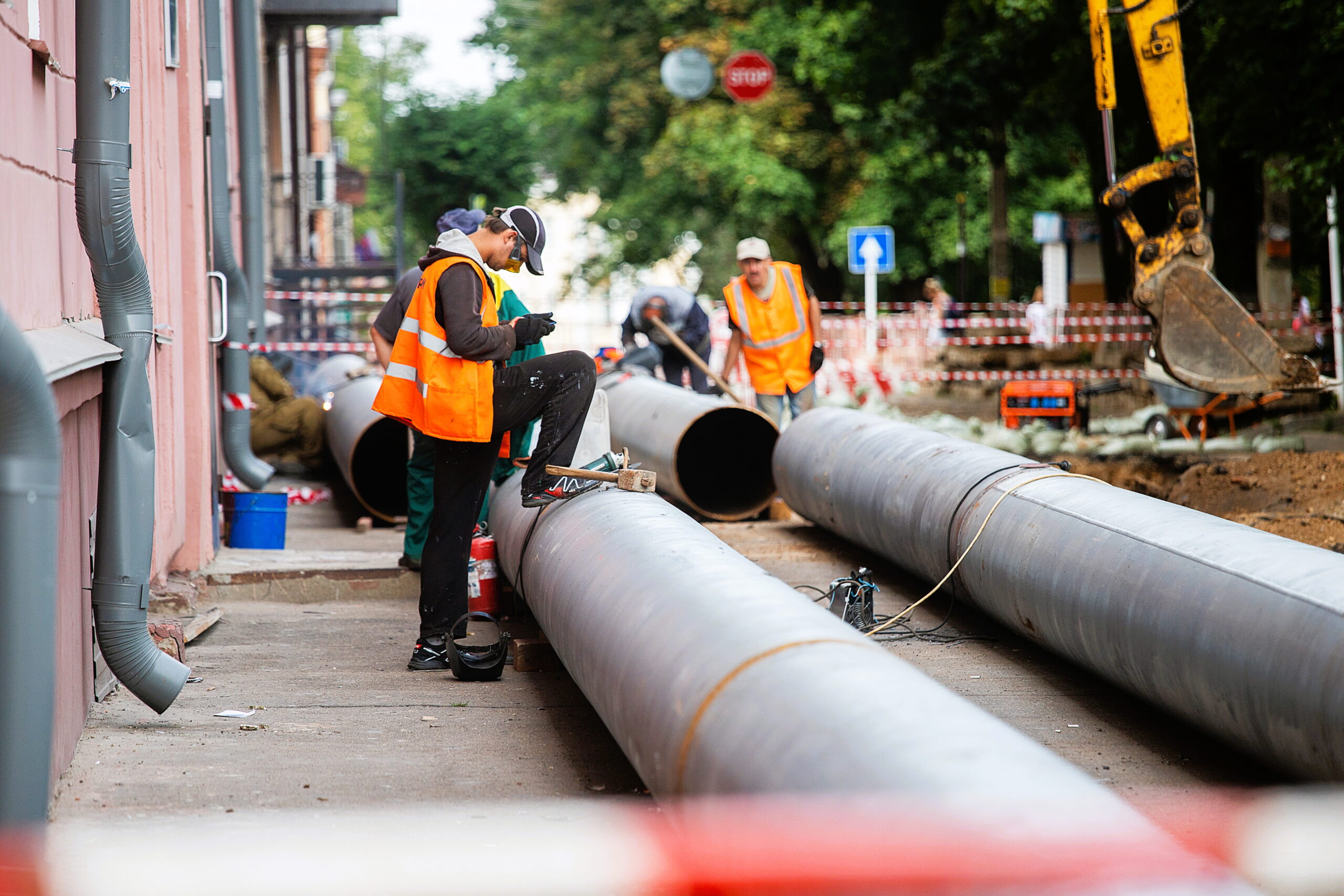
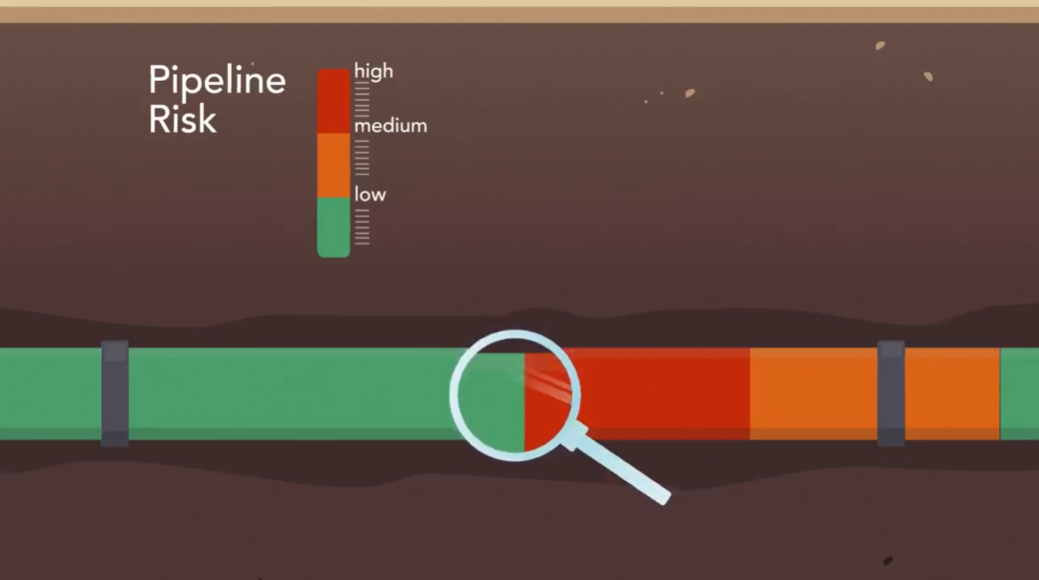
Precision Over Proximity For decades, the water industry has relied on a “best guess” approach to asset management. When a trunk main reaches a certain age or suffers a high-profile burst, the traditional response is often a blanket replacement. It’s an understandable instinct – protecting the community from service disruptions is paramount. However, this “rip…
PIA Assists with Strategic Network Renewal The Challenge: A Century of Service at a Crossroads This Australian city is built upon a foundation of history, much of which is buried beneath its bustling streets. For a major utility, the state’s water utility, this history presented a significant modern-day challenge. Much of the city’s CBD water…
In the water industry, the underground network is often a realm of the unknown. For decades, utilities worldwide have relied on age-based models to determine when to replace critical infrastructure. The logic was simple: if a pipe is old, it must be deteriorating. However, this approach is both capital-inefficient and risky. It often leads to…
Of all the assets in a water and wastewater portfolio, few present a challenge as complex – or as critical – as the inverted siphon. Whether diving beneath a river, a railway line, or a major highway, these assets are engineering essentials. However, for asset managers, they represent a notorious “blind spot.” By design, inverted…
Transient Monitoring Uncovers Major Unauthorised Water Use and Asset Risk For councils and utilities managing vast, aging water networks, the silent threat of water hammer – or high magnitude pressure transients – is a constant, insidious risk. These sudden, massive pressure surges drastically accelerate pipe failure, stress joints, and lead to costly, disruptive repairs. This…
The National Park Service (NPS), in its continued efforts to preserve vital infrastructure within Big Bend National Park, Texas, recently commissioned a condition assessment of the Chisos Basin water supply system. Central to this project was a 4.8km (3 mile), 90mm (3.5-inch) galvanized steel pipeline—installed in 1955—that delivers water from Oak Spring Pump Station to…
Water utilities worldwide grapple with the significant challenge of non-revenue water, often stemming from physical leaks in aging infrastructure. Addressing this problem efficiently requires solutions that can accurately identify and locate leaks without disrupting service. INGU Pipers® technology offers a cutting-edge approach, utilising advanced sensor capabilities to provide precise leak detection, enabling targeted repairs and…
The water industry is at a critical juncture. The drumbeat of “asset renewal” reverberates through every conference hall and boardroom, a testament to the aging infrastructure beneath our cities. Yet, despite the undeniable need to replace and upgrade, a nagging question persists: Are we truly doing this better, more efficiently, and driven by data rather…
A Breakthrough in Non-Invasive Pipeline Condition Assessment Sydney, Australia — 6 June, 2025— Pipeline Inspection and Assessment (PIA) is proud to announce the strategic investment in Pipesonic technology, a revolutionary acoustic condition assessment tool that transforms the way critical pipeline infrastructure is managed and maintained. Developed in North America and rebranded as p-CAT™ Sonic, the technology…
A Smart Investment in Your Water Future For water utilities and municipalities, the challenge of maintaining an aging reticulation network is ever-present. Leaks, bursts, and the uncertainty surrounding pipe condition can lead to significant water loss, costly repairs, and disrupted services. So, the need for innovative, reliable, and affordable solutions for pipeline assessment is…
We use cookies to ensure that you get the best website experience. By using our website you consent to the use of cookies in accordance with our privacy policy.