PIA Assists with Strategic Network Renewal The Challenge: A Century of Service at a Crossroads This Australian city is built upon a foundation of history, much of which is buried beneath its bustling streets. For a major utility, the state’s water utility, this history presented a significant modern-day challenge. Much of the city’s CBD water…
In the water industry, the underground network is often a realm of the unknown. For decades, utilities worldwide have relied on age-based models to determine when to replace critical infrastructure. The logic was simple: if a pipe is old, it must be deteriorating. However, this approach is both capital-inefficient and risky. It often leads to…
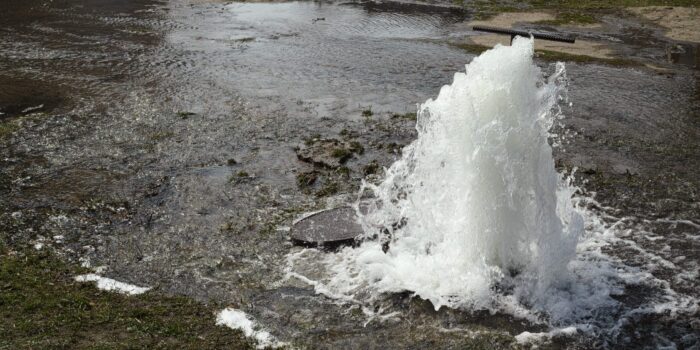
Transient Monitoring Uncovers Major Unauthorised Water Use and Asset Risk For councils and utilities managing vast, aging water networks, the silent threat of water hammer – or high magnitude pressure transients – is a constant, insidious risk. These sudden, massive pressure surges drastically accelerate pipe failure, stress joints, and lead to costly, disruptive repairs. This…
The National Park Service (NPS), in its continued efforts to preserve vital infrastructure within Big Bend National Park, Texas, recently commissioned a condition assessment of the Chisos Basin water supply system. Central to this project was a 4.8km (3 mile), 90mm (3.5-inch) galvanized steel pipeline—installed in 1955—that delivers water from Oak Spring Pump Station to…
Water utilities worldwide grapple with the significant challenge of non-revenue water, often stemming from physical leaks in aging infrastructure. Addressing this problem efficiently requires solutions that can accurately identify and locate leaks without disrupting service. INGU Pipers® technology offers a cutting-edge approach, utilising advanced sensor capabilities to provide precise leak detection, enabling targeted repairs and…
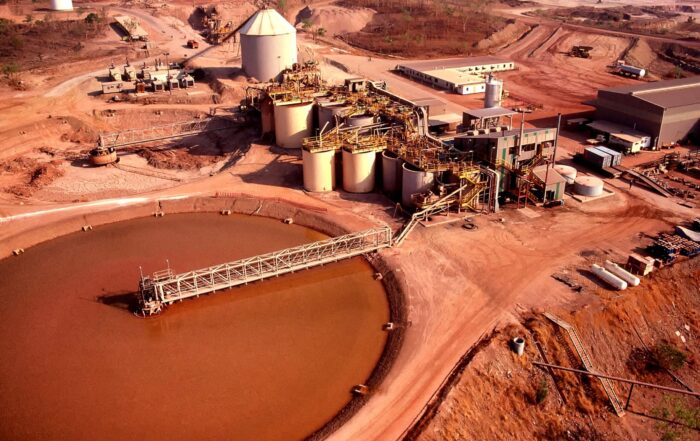
From Crisis to Control The client, a prominent mining company in Australia, had embarked on a critical infrastructure management initiative to assess the condition of their extensive water pipeline network. Historically, the client’s approach to maintaining their ageing water pipelines involved systematic and routine excavations and replacements, based primarily on the water pipelines’ age. This…
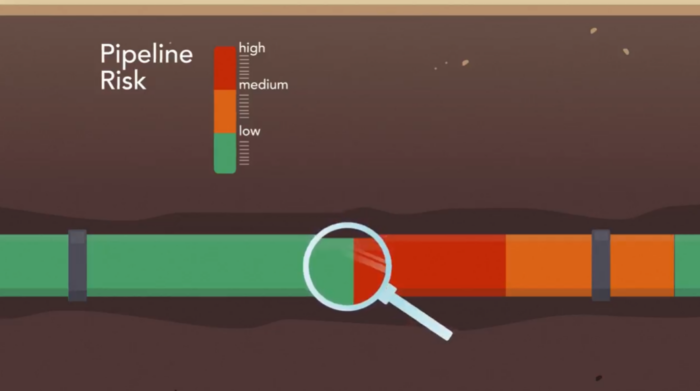
Upgrading pipeline infrastructure is a never-ending task, and with hundreds of assets to consider, how can utilities determine where to prioritise their resources? Manually inspecting every single asset is a colossal undertaking for utilities. The consequences of pipeline failure can be catastrophic. Well-maintained assets are integral to delivering essential services. However, with competing priorities, budget…
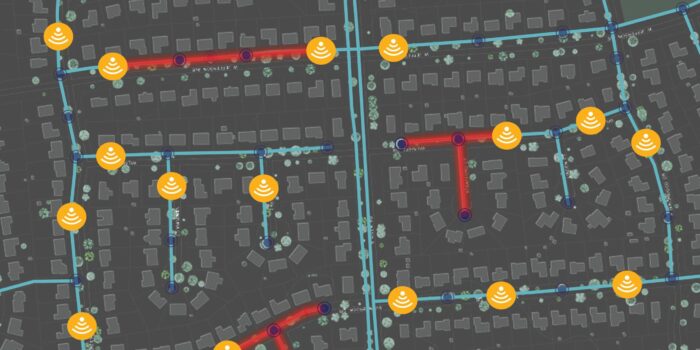
Inflow and infiltration (I&I) in wastewater networks pose significant challenges for water utilities and councils across Australia and New Zealand. Traditional methods of detecting and managing I&I are often time-consuming, costly, and require substantial manpower. However, advancements in technology offer more efficient solutions. By creating mini-catchments and deploying smart sensors, utilities can revolutionise their approach…
Inflow and infiltration (I&I) are persistent challenges for wastewater utilities, particularly in Australia and New Zealand. When excess water enters sewer systems through cracks, faulty pipes, or illegal connections, it not only inflates treatment costs but also strains infrastructure, leading to operational inefficiencies. Utilities are constantly seeking ways to reduce these impacts, and smart wastewater…
In the pursuit of optimising infrastructure management and ensuring the reliability of its water supply network, a leading water utility in Australia had initiated a comprehensive pipeline rehabilitation and replacement project on what it described as “one of the most critical assets in their entire water network.” This approach, while straightforward, often leads to unnecessary expenditures and…
We use cookies to ensure that you get the best website experience. By using our website you consent to the use of cookies in accordance with our privacy policy.